
Structural Engineer vs Home Inspector for Property Damage
For Florida homeowners and real estate buyers, the terminology of the construction industry can be confusing. One of the most common questions we receive, especially when discussing the structural engineer vs home inspector decision, is regarding the difference in role, liability, and cost.
- Licensed professional engineer in Florida
- Signed and sealed reports
Structural Engineer vs Home Inspector: Generalist Vs. Specialist
The easiest way to understand the structural engineer vs home inspector distinction is to think of it like the medical field. A Home Inspector is like a General Practitioner (GP) or a family doctor. A Structural Engineer is like a Surgeon or a Cardiologist.
The Home Inspector (The Generalist)
A licensed home inspector is trained to look at the “big picture” of a property. They check thousands of items, from the AC unit and the pool pump to the electrical outlets and the condition of the paint. Their job is to identify visible defects and safety hazards. However, they are generally not licensed to diagnose the root cause of a structural crack or to calculate if a wall can be removed.
The Structural Engineer (The Specialist)
A Licensed Professional Engineer (P.E.) focuses specifically on the “bones” of the building, the foundation, beams, columns, walls, and roof. They use physics and mathematics to calculate loads and stresses. Unlike a home inspector, an engineer can legally design a repair, sign and seal plans for a permit, and provide a definitive opinion on the structural integrity of the building.
Structural Engineer vs Home Inspector: When Should You Hire a Home Inspector?
You should hire a home inspector when you need a broad overview of a property’s condition, typically before buying a home. They are excellent at identifying potential issues across all systems (plumbing, electrical, HVAC).
If a home inspector sees a jagged crack in the foundation, they will note it in their report. However, their report will almost always include a disclaimer: “Recommend further evaluation by a licensed structural engineer.” This is where the baton is passed.
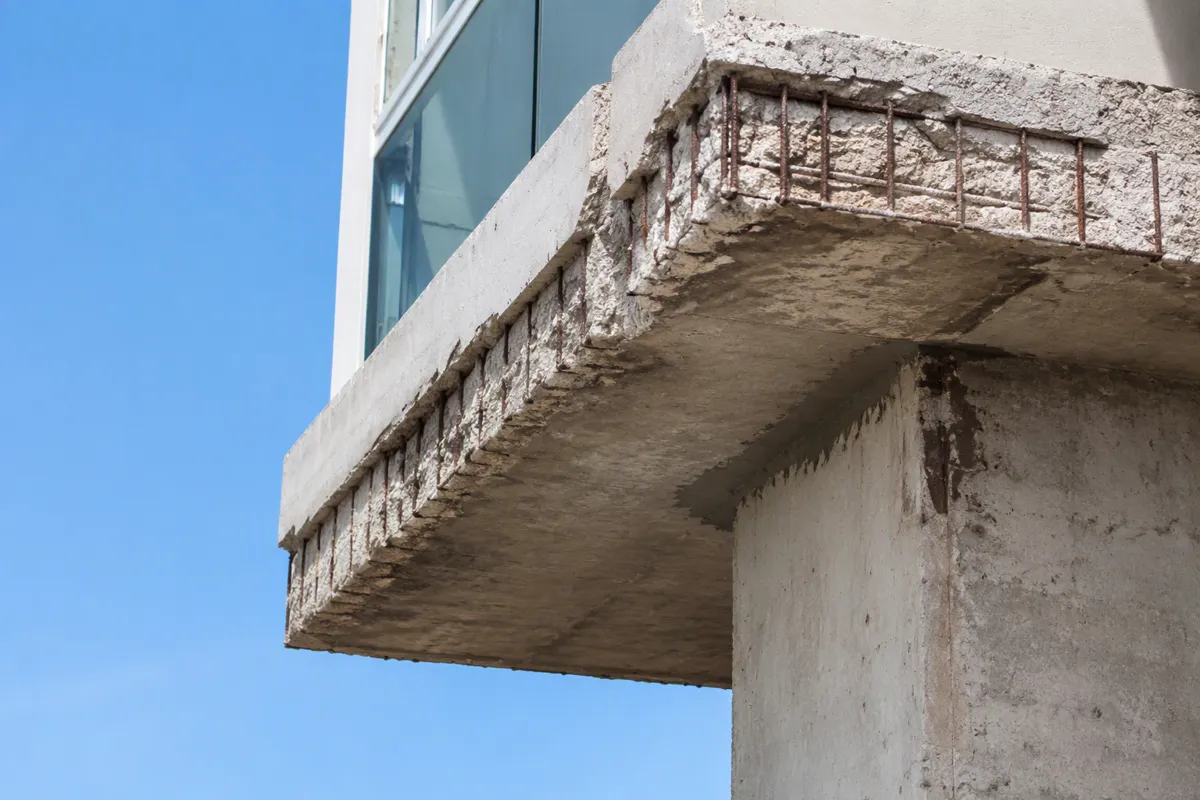
When Do You Need a Structural Engineer?
In the structural engineer vs home inspector debate, the engineer is required whenever you need a definitive diagnosis, a repair plan, or a permit. You need an engineer if:
- You see warning signs: Sloping floors, horizontal cracks in stucco, or doors that won’t close.
- You are renovating: If you plan to remove a load-bearing wall or add a second story.
- You need a permit: Building departments require signed and sealed plans from a P.E. for structural work. A home inspector cannot provide this.
- You need an official opinion: For insurance claims or mortgage approvals regarding structural safety.
Structural Engineer vs Home Inspector: The Cost Factor and What You’re Paying for
We often get asked why an engineering inspection costs more than a standard home inspection. We break down the specifics in our guide to structural engineer inspection costs, but it boils down to three factors:
Liability
When an engineer stamps a document, they are taking legal responsibility for the safety of that structure. It is a high-liability profession.
Education & Licensure
Becoming a P.E. requires a four-year engineering degree, four years of work experience under another engineer, and passing two rigorous 8-hour board exams.
Design Capability
You aren’t just paying for an observation; you are paying for a solution. An engineer tells you how to fix it.
The “Red Flag” Scenario
The most common scenario where the structural engineer vs home inspector confusion arises is during a real estate transaction.
A buyer hires a home inspector. The inspector finds a stair-step crack in the exterior block wall. The buyer panics. The inspector cannot say for sure if the house is sinking or if it’s just minor settlement.
This is when you call Studio A Engineering. We perform a focused inspection on that specific crack. We might determine it is a simple shrinkage crack that needs sealing (saving the deal), or we might confirm it is a foundation issue requiring $20,000 in repairs (saving the buyer from a money pit). In this case, the engineer’s fee pays for itself instantly by providing leverage and clarity.
Structural Engineer vs Home Inspector: Why the “Cheaper” Option Can Cost You More
Trying to save money by asking a contractor or a handyman to diagnose a structural issue instead of an engineer is a dangerous gamble. Without the engineering calculations, repairs are often just “band-aids” that cover up the symptom while the root cause gets worse.
For example, patching a foundation crack without underpinning the sinking footing will just result in the crack reopening in six months. An engineer designs the permanent fix the first time. You can verify the scope of engineering practice at the Florida Board of Professional Engineers (FBPE) website.
Making the Right Decision for Your Property
Ultimately, the choice of structural engineer vs home inspector depends on your goal. If you need a general health check, call an inspector. If you need a specialist to diagnose a specific structural wound or design a renovation, you need an engineer.
At Studio A Engineering, we specialize in the complex structural challenges that general inspectors aren’t licensed to handle.
Contact us today if you have a structural concern and need the authority of a Licensed Professional Engineer.