
How to Pass a 4 Point Home Inspection in Florida
If you own a home in Florida that is 30 years or older (sometimes even 20), securing homeowners insurance can be a challenge. The gatekeeper is almost always the 4 point inspection in Florida.
- Licensed professional engineer in Florida
- Signed and sealed reports
4 Point Inspection Florida: Why Do Insurance Companies Require This?
Insurance companies want to minimize risk. They know that in older homes, these four systems are the most likely causes of fire, water damage, or hurricane claims.
Learning how to pass a 4-point home inspection isn’t about hiding problems; it’s about proving to the carrier that your home has been updated and maintained to modern standards.
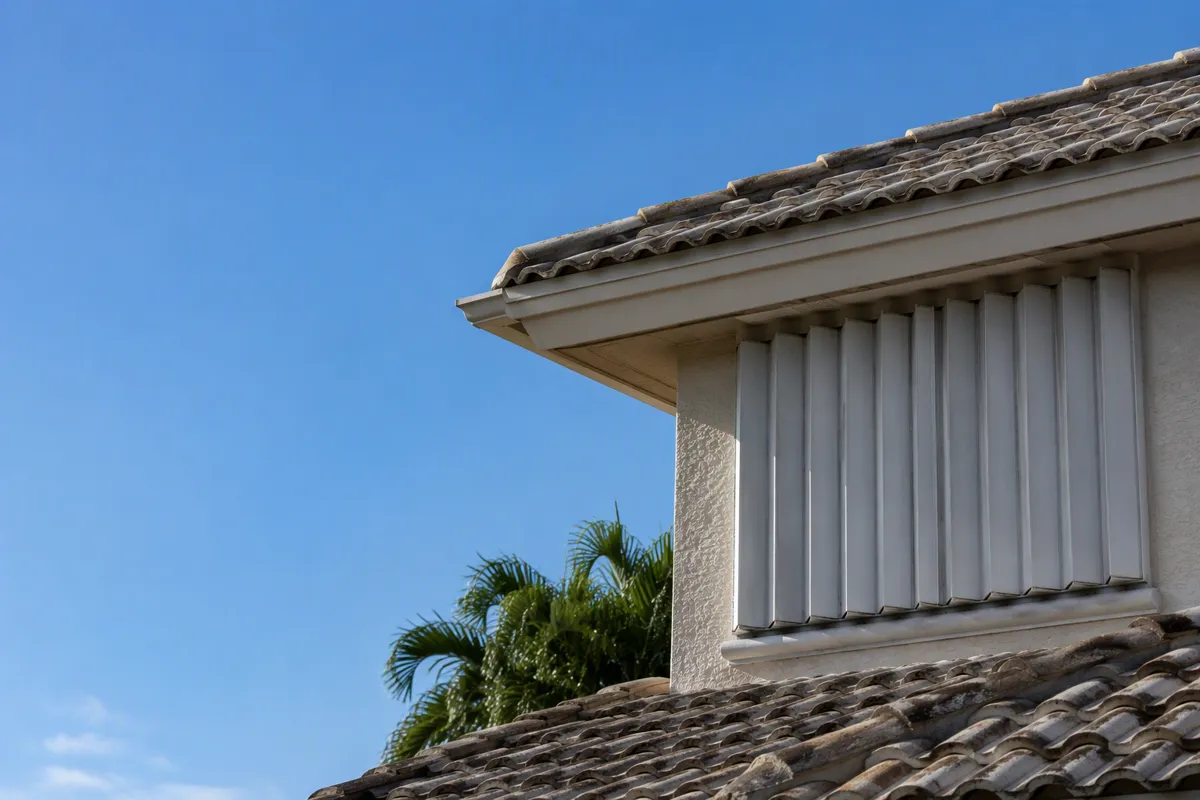
The 4-Point Checklist: What You Must Check
The Roof (The Dealbreaker)
For a 4 point inspection in Florida, the roof is everything. To pass, your roof generally needs to have at least 3-5 years of “useful life” remaining.
- What to fix beforehand: Replace missing shingles, repair cracked tiles, and trim back tree branches touching the roof.
- The Age Factor: If your shingle roof is over 15-20 years old, you may struggle to pass even if it looks okay. Having a permit history for the last replacement is crucial.
The Electrical System (Fire Safety)
This is where many older homes fail a 4 point inspection in Florida. Insurers are looking for specific hazards that cause fires.
- “Bad” Panels: If you have a Federal Pacific (FPE), Zinsco, or Sylvania panel, you will likely need to replace it to get insurance. These brands have known failure rates.
- Wiring Types: “Knob and tube” or single-strand aluminum wiring are major red flags.
- Double Taps: Check your breaker box. If two wires are shoved into a single breaker (a “double tap”), hire an electrician to fix it immediately. It is a cheap fix that prevents a failed report.
Plumbing (Water Damage Risk)
Water claims are expensive. The inspector looks for signs of active leaks and the type of pipes used.
- Polybutylene Pipes: If your home was built between the late 70s and mid-90s, check for these grey pipes. Many insurers will not cover homes with polybutylene due to their tendency to burst.
- Water Heater: Is it rusting? Is it over 15-18 years old? If so, replacing it before the inspection is a smart move.
- Under-Sink Leaks: Check every cabinet. A $5 P-trap repair can save you from a “Failed” inspection status due to active leaking.
HVAC (Heating & Cooling)
This section is usually the easiest. The system needs to be functional.
- Functionality: Turn on the heat and the AC to make sure they both engage.
- Condensate Line: Ensure the drain line isn’t clogged and leaking water onto the floor unit.
The “Pre-Inspection” Strategy
The secret to knowing how to pass a 4-point home inspection is to inspect it yourself (or hire a pro) before the insurance inspection.
If the official inspector finds a hazard, it goes on the permanent report sent to the insurance company. You are then flagged until you prove it’s fixed. However, if you find the double-tapped breaker or the leaky sink first and fix it, the official report comes back clean immediately.
Why Hire a Professional Engineer?
Sometimes, an inspector flags something that isn’t actually a problem, like a hairline crack in a wall or a roof condition they misunderstood during a structural engineer home inspection. This is where Studio A Engineering comes in.
If you receive a failed report that you believe is incorrect, a Licensed Professional Engineer can perform a specialized inspection to verify the true condition of the component. An engineer’s signed and sealed letter carries more weight than a standard checklist and can often reverse an insurance denial. You can learn more about our Real Estate Inspection Services here.
For more details on insurance requirements related to milestone inspection florida, you can visit the state-backed insurer, Citizens Property Insurance Corporation, which sets the standard for many requirements.
Get the Right Help
Don’t let a 4 point inspection in Florida stand between you and your home purchase or renewal. Whether you need a pre-inspection assessment or an engineering opinion on a failed item, we are here to help.
Contact us today to speak with a licensed professional about your property.