
Milestone Engineer in Florida for Condo Inspection Reports
A milestone engineer in Florida is a licensed Professional Engineer or architect who performs the mandatory structural inspection required by Florida SB-4D for buildings that are 30 years old (or 25 years if within 3 miles of the coast). This inspection, formally called the “milestone inspection”, was created in direct response to the Champlain Towers South collapse in Surfside on June 24, 2021, which killed 98 residents.
- Licensed professional engineer in Florida
- Signed and sealed reports
What Is a Milestone Engineer in Florida?
A milestone engineer in Florida is a licensed Professional Engineer or architect who performs the mandatory structural inspection required by Florida SB-4D for buildings that are 30 years old (or 25 years if within 3 miles of the coast). The law requires a two-phase inspection: Phase 1 is a visual assessment, and Phase 2 (triggered if Phase 1 finds substantial structural deterioration) includes destructive and non-destructive testing. Paul Pineda, PE has performed milestone inspections for condominium associations and commercial property owners across South Florida. As a structural PE and Threshold Inspector, Paul provides the specialized expertise required to evaluate aging concrete, steel, and masonry structures in Florida’s corrosive coastal environment. This guide covers how to choose a qualified milestone engineer, what the inspection involves, and what to expect in terms of cost and timeline.
Verify the Engineer’s Structural PE Credentials
The most important qualification for a milestone engineer in Florida is structural engineering expertise. While SB-4D allows any licensed PE or architect to perform the inspection, the nature of the work, evaluating concrete deterioration, rebar corrosion, connection integrity, and load path adequacy, is squarely within the structural engineering discipline. Hiring a PE in another discipline to perform a milestone inspection is legal but inadvisable. Verify the engineer’s license on the Florida DBPR website. Look for the license status (must be “Active”), the discipline (preferably structural or civil with structural experience), and any disciplinary history. The FBPE website provides additional information about the engineer’s continuing education compliance and specialization. Paul Pineda, PE is a licensed Florida Professional Engineer and Threshold Inspector. His credentials are publicly verifiable and represent a career focused specifically on structural evaluation, not a generalist adding milestone inspections as a side service.
01
Evaluate Experience with Florida Building Types
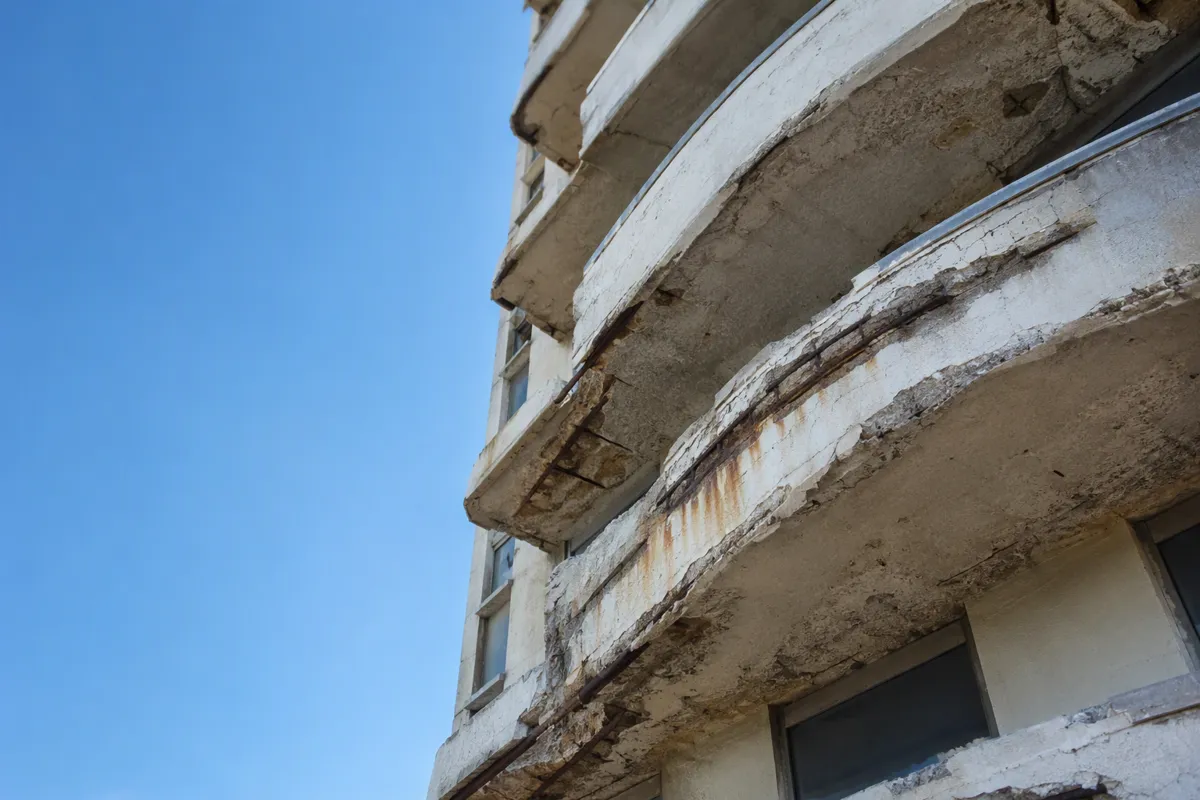
Florida’s building stock has characteristics that differ from other states. The majority of condominiums built from the 1960s through the 1990s use reinforced concrete construction with flat-plate or flat-slab floor systems. Many of these buildings were constructed before modern corrosion protection standards were adopted, meaning the concrete cover over rebar may be inadequate by current code. A milestone engineer in Florida must understand how these vintage construction practices affect the building’s current structural condition. Salt air corrosion is the dominant deterioration mechanism for coastal Florida buildings. Chloride ions from the ocean penetrate the concrete over decades, eventually reaching the rebar and initiating corrosion. The corrosion products (rust) expand to approximately six times the volume of the original steel, creating internal pressure that cracks and spalls the concrete. A qualified milestone engineer can distinguish between cosmetic spalling and structurally significant deterioration by evaluating the depth and extent of corrosion. Paul Pineda’s work on the Ocean Reef Club Clubhouse rehabilitation in Key Largo provided firsthand experience with advanced coastal deterioration in a building that had been exposed to salt air for decades. His inspection identified column rebar section loss exceeding 20%, damage that was not apparent from the surface but was confirmed through invasive testing during Phase 2. This type of finding is exactly what milestone inspections are designed to uncover, and it requires an engineer who knows where to look and what to test.
02
Understand the Milestone Inspection Scope
A qualified milestone engineer in Florida performs a two-phase inspection. Phase 1 is a visual examination of the building’s major structural components: load-bearing walls, primary structural members (columns, beams, slabs), the foundation (to the extent accessible), and any other component that the engineer deems relevant to structural integrity. The engineer does not need to open walls or perform testing during Phase 1, it is a visual assessment based on professional judgment. If Phase 1 reveals “substantial structural deterioration”, meaning damage significant enough to warrant further investigation, the engineer must proceed to Phase 2. This phase involves testing: concrete core sampling, chloride content analysis, carbonation depth measurement, ground-penetrating radar scanning, and potentially load testing. Phase 2 produces quantitative data about the severity of deterioration, which the engineer uses to determine whether the building requires immediate repairs, monitoring, or more extensive remediation. The milestone inspection report is submitted to the local building official and the condominium association (for condo buildings). If the report identifies conditions requiring repair, the association must begin the repair process within a timeframe specified by the local authority. Florida Statute 718.112 requires that the association maintain the structural components and fund repairs through reserves. A clear, well-documented milestone inspection report provides the roadmap for compliance. Studio A Engineering’s milestone inspection reports include detailed photo documentation, structural condition ratings for each component, testing results (if Phase 2 is required), and prioritized repair recommendations with cost estimates. Paul’s reports are written for dual audiences: the building official who needs to verify code compliance, and the condo board that needs to understand the scope and cost of any required repairs.
03
Why a Structural PE Is the Right Choice as Your Milestone Engineer in Florida
While the law allows any licensed PE or architect to perform milestone inspections, a structural PE brings focused expertise that directly applies to the work. Structural PEs study failure modes, load paths, material deterioration, and structural analysis throughout their careers. An architect or a PE in another discipline may be competent to identify obvious damage but may miss the subtle indicators of progressive structural deterioration.
Paul Pineda graduated from the National University of Engineering in Lima, Peru, and has spent over 20 years focused on structural engineering in Florida. His experience includes not only milestone inspections but also shoring design, threshold inspections, and structural rehabilitation design, the full spectrum of structural engineering services that allows him to evaluate a building’s condition with the perspective of an engineer who also designs the repairs.
Studio A Engineering, based in Doral, FL, serves condo associations and property owners from Key West to Palm Beach. As a milestone engineer in Florida, Paul provides the milestone inspection from initial Phase 1 walkthrough through Phase 2 testing (if needed), report preparation, and repair design. Having one engineer handle the inspection and the subsequent repair design ensures continuity, the person who identified the problem designs the solution, with no information lost in handoff between firms.
For associations that also need a Structural Integrity Reserve Study (SIRS), Paul can coordinate both the SIRS and milestone inspection during a single site visit, reducing costs and providing a unified assessment of the building’s structural condition and reserve funding needs.
How Much Does a Milestone Engineer in Florida Cost?
Milestone inspection costs in Florida depend on building size, age, construction type, and whether Phase 2 testing is required. For Phase 1 only (visual assessment), expect $3,000-$15,000 for a typical condominium building of 50-200 units. If Phase 2 is triggered, testing costs add $5,000-$30,000 depending on the number and type of tests required. Concrete coring costs approximately $200-$400 per core, chloride analysis runs $150-$300 per sample, and ground-penetrating radar scanning costs $1,000-$3,000 per area surveyed. Several factors influence the total cost: number of floors and building footprint, accessibility of structural elements (enclosed parking garages and mechanical rooms are harder to inspect than open structures), the extent of visible deterioration (more deterioration means more documentation time), and the local building official’s specific requirements for the inspection report format and content. Studio A Engineering provides fixed-fee proposals for Phase 1 milestone inspections. If Phase 2 is required, Paul provides a separate proposal for the testing scope based on Phase 1 findings, so the association can budget accurately before authorizing additional work. There are no hourly billing surprises.
Get Expert Help with Your Milestone Inspection in Florida Today
Studio A Engineering provides milestone inspections throughout Florida. Paul Pineda, PE delivers Phase 1 and Phase 2 inspection services with detailed reports and repair recommendations. Contact us online to schedule your milestone inspection.