
SIRS Engineer in Florida for Condo Reserve Studies
A SIRS engineer in Florida is a licensed Professional Engineer who performs Structural Integrity Reserve Studies on condominium and cooperative buildings as required by Florida Senate Bill 4D and Florida Statute 718.112. After the Champlain Towers South collapse in Surfside in June 2021, which killed 98 people, the Florida legislature passed SB-4D mandating that all condominium buildings three stories or taller undergo a SIRS by December 31, 2024.
- Licensed professional engineer in Florida
- Signed and sealed reports
What Is a SIRS Engineer in Florida?
This guide explains what a SIRS engineer in Florida evaluates, why a structural PE is the right choice for this work, and what condo boards need to know about costs, timelines, and compliance.
Reason 1: Florida SB-4D Requires a Licensed Engineer
SB-4D is explicit: the Structural Integrity Reserve Study must be performed by a licensed engineer or architect. However, the statute does not distinguish between engineering disciplines. A mechanical engineer or civil engineer can legally sign a SIRS. The question for your condo board is whether you want a generalist or a specialist.
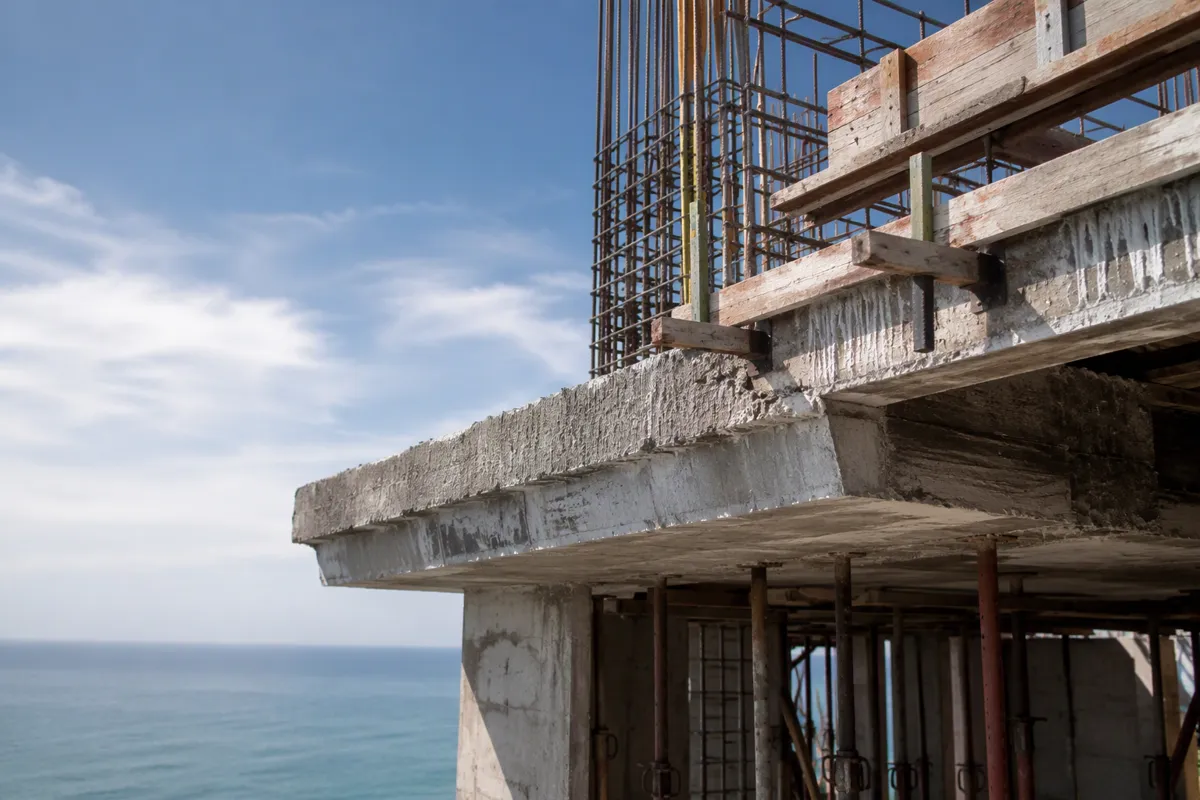
A structural PE, an engineer whose primary discipline is analyzing building structures, will identify deterioration patterns that a generalist might miss. Spalling concrete on a balcony railing, for instance, might look cosmetic to a non-structural engineer but could indicate chloride-induced corrosion of the reinforcing steel, a progressive condition that accelerates once it starts. A structural PE knows the difference between a $5,000 repair and a $500,000 structural remediation because they deal with these failure modes daily.
The Florida Board of Professional Engineers (FBPE) maintains the registry of licensed PEs. Your condo board should verify the engineer’s active license status and confirm their discipline before signing a contract. Paul Pineda, PE is a licensed Florida Professional Engineer in the structural engineering discipline, which means his education, examination, and experience are specifically in structural analysis and design.
Reason 2: Structural PEs Understand Building Deterioration
Florida’s climate is uniquely hostile to building structures. The combination of high humidity, salt air exposure (within 3,000 feet of the coast), intense UV radiation, and seasonal hurricane loading creates deterioration patterns that are specific to this region. A qualified SIRS engineer in Florida must understand how these environmental factors interact with the building’s structural materials.
Concrete buildings, which make up the vast majority of Florida condominiums, deteriorate through carbonation (which reduces the concrete’s protective alkalinity around rebar), chloride ingress (which initiates rebar corrosion), and alkali-silica reaction (which causes internal expansion and cracking). Each mechanism has a different progression rate and a different repair strategy. A structural PE evaluates core samples, chloride profiles, and half-cell potential measurements to determine which mechanism is active and how fast it is progressing.
For the Ocean Reef Club Clubhouse rehabilitation in Key Largo, Paul Pineda identified advanced chloride-induced corrosion in the structural columns that was not visible on the surface. The previous condition assessment by a non-structural firm had rated those columns as “fair condition.” Paul’s evaluation revealed that the rebar section loss exceeded 20% in several locations, requiring immediate structural repairs. This is the difference a SIRS engineer with structural expertise makes, the ability to see beyond the surface and quantify the actual structural risk.
Reason 3: How a SIRS Engineer in Florida Saves Money with Accurate Reserve Funding Projections
The financial impact of a SIRS extends far beyond the study fee. The engineer’s remaining useful life estimates and repair cost projections directly determine how much the condo association must set aside in reserves each year. Under Florida Statute 718.112, associations can no longer waive or reduce reserve funding for the structural components identified in the SIRS. This means an inaccurate study, one that overestimates or underestimates repair costs, will either burden owners with unnecessarily high assessments or leave the association underfunded when repairs are needed.
A structural PE produces more accurate cost projections because they understand the actual scope of structural repairs. Replacing a deteriorated balcony railing, for example, might cost $200 per linear foot if caught early (epoxy injection and coating) or $2,000 per linear foot if the rebar is severely corroded (full concrete removal, rebar replacement, and re-pour). The engineer’s assessment of the current condition determines which cost estimate applies, and that assessment requires structural engineering judgment.
Paul Pineda’s SIRS reports include detailed line-item cost estimates for each structural component, broken down by repair type and urgency. The reports also include a recommended inspection interval, typically 3-5 years for buildings in coastal exposure, so the association can budget for future re-assessments. This level of detail helps condo boards present a credible funding plan to unit owners, reducing the conflict that often accompanies special assessment discussions.
Reasons 4 and 5: Legal Protection and Compliance Deadlines for a SIRS Engineer in Florida
Reason 4: Legal Protection
A thorough SIRS by a qualified structural PE provides legal protection for the condo board. If a structural failure occurs and the board can demonstrate that they commissioned a comprehensive study and followed its recommendations, they have a strong defense against negligence claims. If the study was superficial or performed by an unqualified individual, the board’s liability exposure increases significantly. Florida’s condo association litigation environment is aggressive. Board members can be held personally liable for failure to maintain the structural integrity of the building. The SIRS serves as both a technical document and a legal record of the board’s due diligence. Paul Pineda’s reports are written with this dual purpose in mind, technically rigorous enough to guide repairs and clearly documented enough to serve as evidence of responsible governance.
Reason 5: Compliance Deadlines
The compliance deadlines under SB-4D are not suggestions. Buildings that were 30 years old or older by December 31, 2024, were required to have completed their initial SIRS by that date. Buildings within 3 miles of the coast had a 25-year threshold. The Florida DBPR has enforcement authority, and associations that miss the deadline face potential fines and legal exposure. Paul Pineda has completed SIRS assessments for buildings from Miami Beach to Boca Raton. A graduate of the National University of Engineering in Lima, Peru, with over 20 years of structural engineering experience, Paul provides the technical credibility that protects your board and satisfies the statute. Studio A Engineering, based in Doral, FL, can mobilize within one week for SIRS projects throughout South Florida.
SIRS Engineer Florida: What Does the Engineer Evaluate?
The SIRS engineer evaluates all structural components that the association is responsible for maintaining. Under Florida Statute 718.112, this includes:
- Roof framing and decking
- Load-bearing walls
- Floors (including elevated concrete slabs)
- Foundations
- Fireproofing
- Plumbing
- Waterproofing
- Exterior painting/coating
The structural components, roof, walls, floors, and foundations, require the deepest engineering analysis because deterioration in these elements threatens life safety.
The evaluation involves a visual inspection of accessible structural elements, supplemented by testing where conditions warrant. Testing methods include concrete core sampling, chloride content analysis, carbonation depth measurement, ground-penetrating radar (to locate rebar and detect delamination), and half-cell potential mapping. The engineer documents each finding with photographs, location maps, and condition ratings.
The final SIRS report includes: a component inventory with current condition ratings, estimated remaining useful life for each component, estimated replacement or repair cost for each component, and a recommended reserve funding schedule. This report is provided to the condo association board and becomes the basis for the association’s reserve budget under the new statutory requirements. For associations that need milestone inspections alongside the SIRS, Paul can coordinate both services to reduce site visit costs.
Get Expert Help from a SIRS Engineer in Florida Today
Studio A Engineering provides Structural Integrity Reserve Studies throughout Florida. Paul Pineda, PE delivers comprehensive SIRS reports with detailed cost projections and reserve funding recommendations.
Call us today: (305) 890-6333. También hablamos español. Contact us online to schedule your SIRS assessment.