
Threshold Building Definition: The #1 Essential Guide for Florida
For developers and general contractors in Florida, understanding the threshold building definition is not just a matter of vocabulary—it is a critical legal determination that dictates your budget, your timeline, and your hiring requirements.
If your project falls under this classification, the standard inspections performed by the local building department are not enough. You are legally required to hire a “Special Inspector” to oversee the structural construction. But where exactly is the line drawn? This guide clarifies the specific criteria set by Florida law and explains what you need to do if your project qualifies.
Table of Contents
The Official Florida Statute 553.71 Criteria
The threshold building definition is established in Florida Statute 553.71(12). It is precise, but often misunderstood.
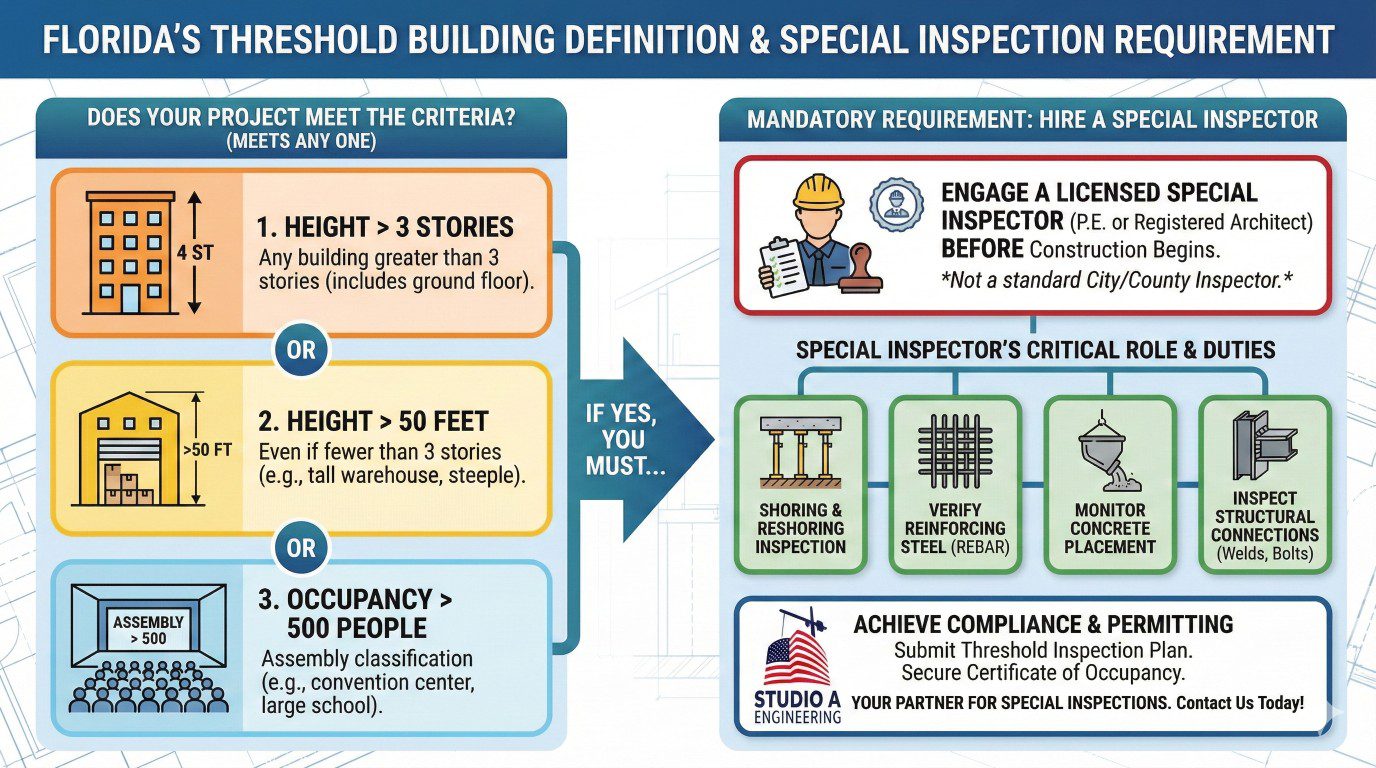
A building is considered a “Threshold Building” if it meets ANY ONE of the following three criteria:
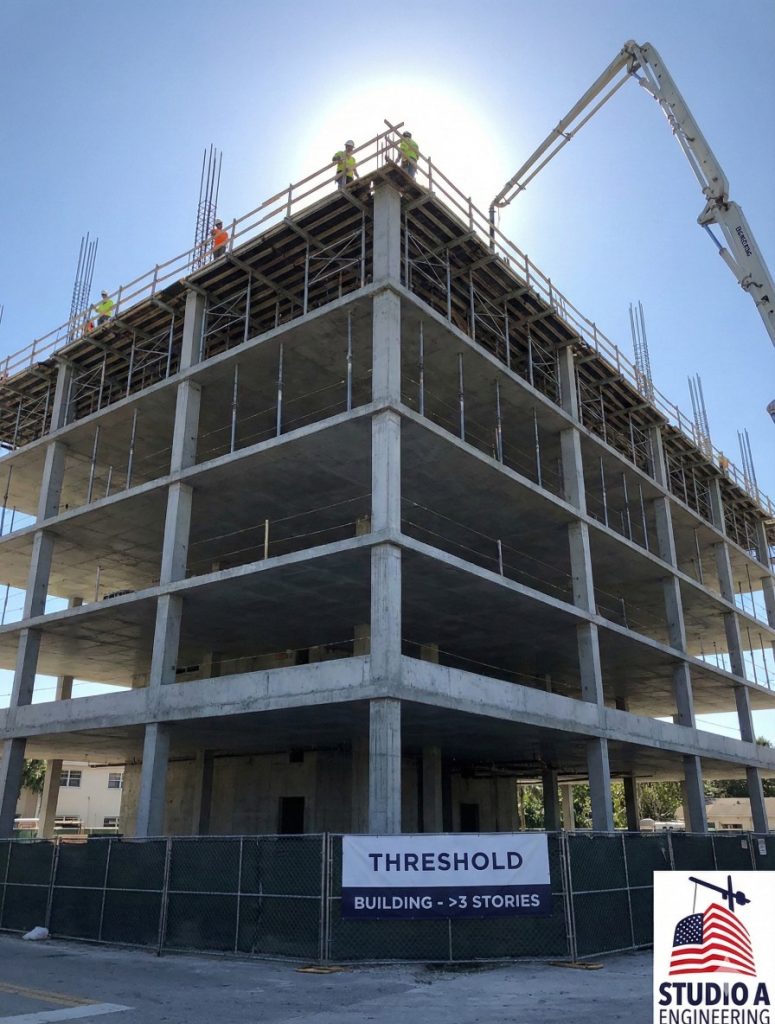
1. Height (Greater than 3 Stories)
Any building that is greater than three stories in height is automatically a threshold building. This includes the ground floor. If you are pouring a fourth slab, you are likely in threshold territory.
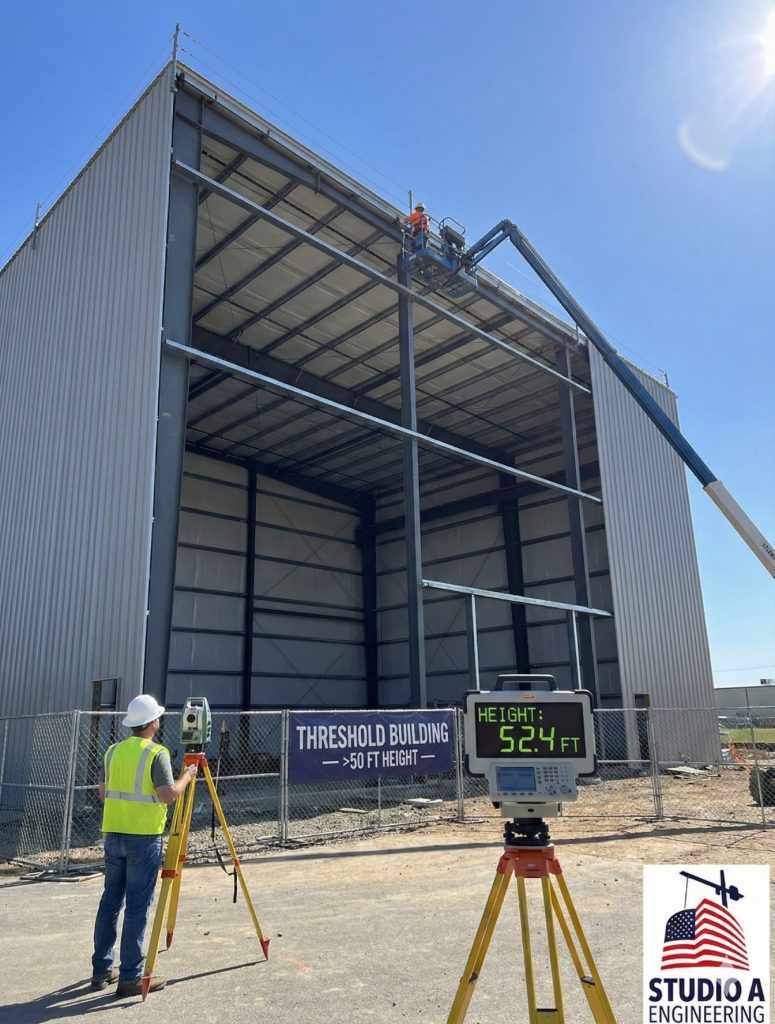
2. Height (Greater than 50 Feet)
Even if a building has fewer than three stories (for example, a tall industrial warehouse or a church with a high steeple), it qualifies if the height exceeds 50 feet.
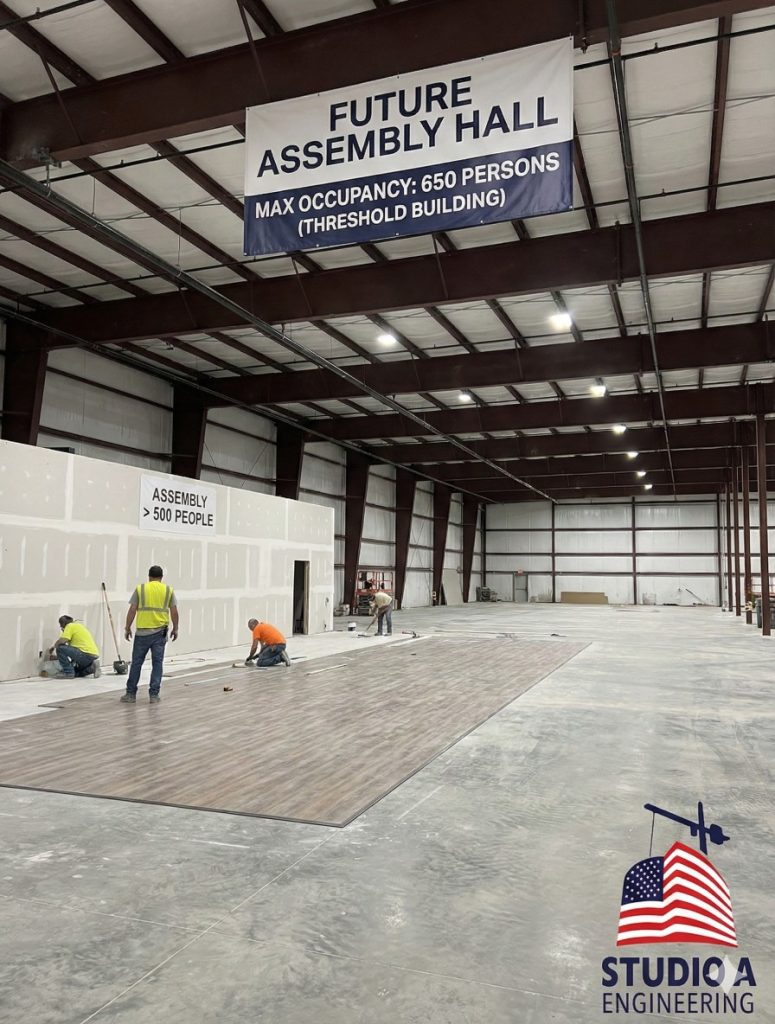
3. Occupancy (Assembly of 500+ People)
This is the criterion that catches many developers off guard. A building can be a single story and less than 50 feet tall, but if it has an “assembly occupancy classification” that exceeds 500 persons, it meets the threshold building definition. This often applies to auditoriums, schools, large restaurants, and convention centers.
Why Does This Classification Exist?
The concept of the Threshold Building was born out of tragedy—specifically, the collapse of the Harbour Cay Condominium in Cocoa Beach in 1981 during construction. The state realized that local building inspectors were too overwhelmed to provide the intense scrutiny required for complex, high-load structures.
The law shifts the burden of quality assurance onto the owner. If your project meets the definition, you must hire a private, licensed Special Inspector (like Studio A Engineering) to act as a dedicated set of eyes on the structural components.
The Role of the Special Inspector
Once you determine your project meets the threshold building definition, you must engage a Special Inspector before construction begins. This is not a standard building inspector; it must be a licensed Professional Engineer or Architect who is specially certified by the state.
Our role includes specific, mandatory inspections that go far beyond a standard walkthrough:
- Shoring and Reshoring: We inspect the temporary supports holding up wet concrete to prevent collapse during the cure time.
- Reinforcing Steel (Rebar): We verify the size, spacing, and placement of rebar before any concrete is poured.
- Concrete Placement: We monitor the actual pouring process to ensure proper consolidation and prevent voids.
- Structural Connections: We inspect welds, bolts, and precast connections to ensure the building frame is rigid and secure.
You can learn more about our specific qualifications on our Threshold Special Inspections service page.
The “Threshold Inspection Plan”
Compliance starts before the first shovel hits the ground. As part of the permitting process for a threshold building, the Structural Engineer of Record must submit a “Threshold Inspection Plan.”
This document outlines exactly which structural elements require inspection and at what frequency. As your Special Inspector, we follow this plan religiously. We act as the representative of the owner and the enforcement agency, ensuring that the reality on the job site matches the engineering drawings perfectly.
Common Misconceptions for Developers
“Can’t the City Inspector do it?”
No. For a threshold building, the city or county building official relies on the signed and sealed reports from the private Special Inspector. They will not issue a Certificate of Occupancy without our final certification statement.
“Is this only for new construction?”
Generally, yes, this definition applies to new buildings or substantial additions. However, existing threshold buildings have their own set of maintenance requirements, such as the Milestone Inspection, which you can read about in our guide to milestone issues.
Why Choose Studio A Engineering?
Meeting the threshold building definition adds a layer of complexity to your project, but it shouldn’t add stress. You need a partner who understands the balance between rigorous safety compliance and keeping a construction schedule moving.
At Studio A Engineering, we are among the few firms with registered Special Inspectors for high-rise and commercial buildings. We provide timely inspections and clear communication to keep your project safe and on track.
Contact us today to discuss your project and secure the Special Inspection services you need for permitting.