
Florida Structural Integrity Reserve Study Requirements
Complying with Florida structural integrity reserve study requirements has become a legal mandate for condominium and cooperative homeowner associations across the Sunshine State. Enacted in the aftermath of the Surfside building collapse through Florida Senate Bill 4-D (SB-4D) and refined under Senate Bill 154, the law fundamentally transforms how residential multi-family communities budget for major structural maintenance and life-safety repairs.
- Licensed professional engineer in Florida
- Signed and sealed reports
What Is a Structural Integrity Reserve Study (SIRS)?
A Structural Integrity Reserve Study (SIRS) is a state-mandated engineering assessment and financial plan that evaluates the structural health of shared building components. Under Florida Statute § 718.112, the study serves two interrelated purposes: first, a licensed structural engineer conducts a visual and tactile inspection to determine remaining useful life and deferred maintenance needs; second, the engineer calculates exact annual replacement reserves based on real-world Florida construction costs.
Meeting all structural integrity reserve study requirements protects association boards from catastrophic financial shortfalls, massive emergency special assessments, and potential personal director liability. For associations operating throughout coastal South Florida – from Miami-Dade and Broward to Palm Beach and Monroe County – rigorous reserve planning is also a prerequisite for maintaining property insurance coverage and Fannie Mae/Freddie Mac mortgage financing eligibility.
The statute applies to any condominium or cooperative building that stands three stories or higher in height. Whether your building is a 3-story garden condo in Doral or a 40-story oceanfront high-rise in Sunny Isles Beach, meeting structural integrity reserve study requirements is a mandatory statutory obligation, not an optional financial exercise.
Single-family homeowner associations (HOAs) and two-story townhomes are generally exempt from mandatory SIRS provisions, although HOAs that maintain shared three-story clubhouse facilities or elevated parking decks frequently commission voluntary studies to ensure structural safety and avoid unexpected assessments.
The 9 Mandatory Structural Components Required by Law
Florida law specifically enumerates nine building systems that must be inspected and funded under structural integrity reserve study requirements. If a failure of any of these components could jeopardize the structural soundness of the building, it cannot be excluded from the engineering report:
Roof
Evaluation of roofing membranes, parapet flashings, roof trusses, insulation, drainage slope, and wind-uplift resistance.
Structure (Load-Bearing Walls & Columns)
Reinforced concrete columns, shear walls, post-tensioned slabs, beams, and structural framing.
Fire Protection Systems
Fire sprinkler lines, standpipes, fire pumps, emergency risers, and life-safety containment walls.
Plumbing
Domestic water supply risers, sanitary waste stacks, vent piping, storm drains, and cast-iron infrastructure.
Electrical Systems
Main switchgear, electrical distribution panels, emergency backup generators, and building grounding systems.
Waterproofing and Exterior Painting
Stucco coatings, elastomeric sealants, expansion joints, window perimeter caulking, and balcony deck coatings that prevent moisture intrusion.
Windows and Exterior Doors
Common-element impact glass, fire doors, lobby storefronts, and emergency exit hardware.
Floor and Balcony Systems
Post-tensioned concrete slabs, cantilevered balcony edges, railing embedments, and suspended parking decks.
Any Item with Deferred Maintenance Exceeding $10,000
Any other structural component whose replacement cost exceeds $10,000 and failure would impact primary structural integrity.
Florida Statute § 718.112: Required SIRS Component Baseline
Under Florida Senate Bill 4-D and Florida Statutes, structural integrity reserve study requirements include evaluating the following structural and safety-critical building systems:
| Statutory Component | Required Evaluation Scope | Reserve Study Output |
|---|---|---|
| Roof | Membrane condition, drainage slopes, flashing, parapet walls | Remaining useful life & replacement cost |
| Load-Bearing Walls | Concrete masonry units (CMU), shear walls, structural cracking | Structural soundness assessment |
| Primary Framing / Columns | Cast-in-place columns, post-tensioned beams, transfer girders | Integrity verification & repair timelines |
| Floor Slabs & Balconies | Spalling concrete, rebar corrosion, railing embedment soundness | Concrete restoration reserve schedule |
| Foundation | Piling cap settlement, grade beams, subterranean moisture intrusion | Substructure condition assessment |
| Waterproofing & Painting | Exterior facade coatings, sealant joints, deck membranes | Recoating & recaulking funding schedule |
Who Is Qualified to Perform Structural Integrity Reserve Study Requirements?
One of the most consequential updates under Florida law is the strict limitation on who can perform the visual inspection. While general financial reserve analysts could previously produce reserve studies using standardized software formulas, current structural integrity reserve study requirements mandate that the visual inspection portion must be performed by or under the direct supervision of a licensed Professional Engineer (PE) or registered Architect.
At Studio A Engineering, our founder Paul Edwards Pineda, PE, is a licensed Florida Professional Engineer and Special Structural Threshold Inspector. With over 20 years of hands-on structural design and inspection experience across South Florida, Paul provides the structural expertise needed to accurately identify concrete spalling, rebar corrosion, and post-tensioning distress that non-engineer reserve analysts routinely overlook.
Verifying engineer licensure with the Florida Board of Professional Engineers (FBPE) ensures that your association’s study will withstand scrutiny from unit owners, municipal building officials, and financial auditors.
Studio A Engineering assesses the structural components of your reserve study. Where a study covers electrical or plumbing systems, those portions are evaluated by the appropriately licensed consultant, and we can work alongside them so the full study lands on time.
Deadlines, Inspection Timelines, and Frequency Under Structural Integrity Reserve Study Requirements
Under the statutory framework established by Florida SB-4D and SB-154, residential condominium and cooperative associations must complete their initial study by December 31, 2024 (or December 31, 2025 for qualifying buildings under local extension rules). After the baseline study is sealed and filed, associations must complete an updated SIRS at least once every 10 years.
Additionally, properties reaching 30 years of age (or 25 years if situated within three miles of the coastline) must coordinate their reserve planning with mandatory Florida milestone inspections. Performing both assessments in coordination prevents duplicated engineering fees and ensures that structural repair recommendations seamlessly align with reserve funding reserves.
Mandatory Funding Rules: Eliminating the Waiver Loophole
Historically, Florida condominium boards could vote to waive or reduce reserve funding each year with a simple majority vote of unit owners. This practice led to severe systemic underfunding across thousands of aging residential buildings. Under revised structural integrity reserve study requirements, this waiver loophole has been permanently eliminated for structural components:
- No Waiving of Structural Reserves: Associations may not vote to waive or reduce reserve contributions for the statutory structural items identified in the SIRS report.
- No Pooling of Structural Funds: Reserve funds allocated to structural components (such as roof replacement or concrete restoration) cannot be commingled or transferred to cover general operating deficits or non-structural projects.
- Full Funding Requirement: The association’s annual operating budget must fully fund the replacement reserves based on the engineer’s calculated remaining useful life.
Step-By-Step Engineering Inspection Process
When Studio A Engineering conducts an evaluation to satisfy structural integrity reserve study requirements, our team executes a structured multi-phase workflow:
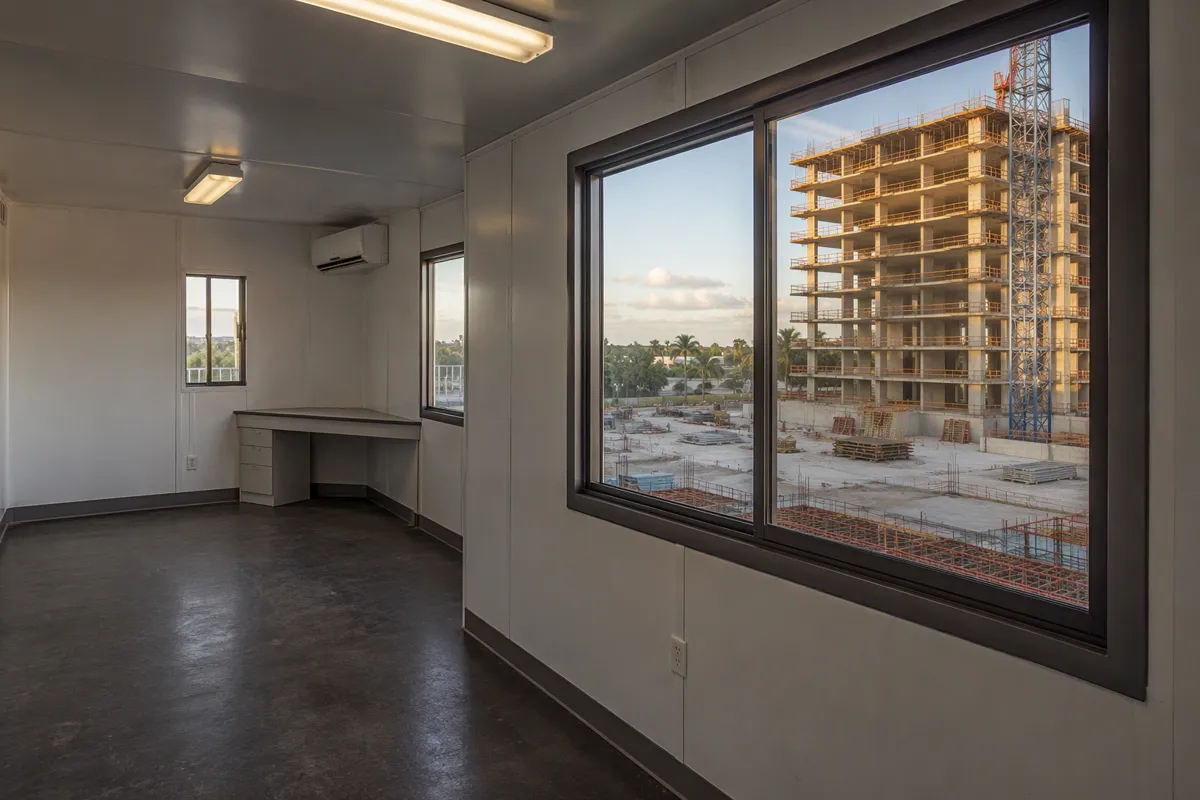
Document and Blueprint Review
Detailed examination of original structural drawings, previous repair records, permit history, and maintenance logs.
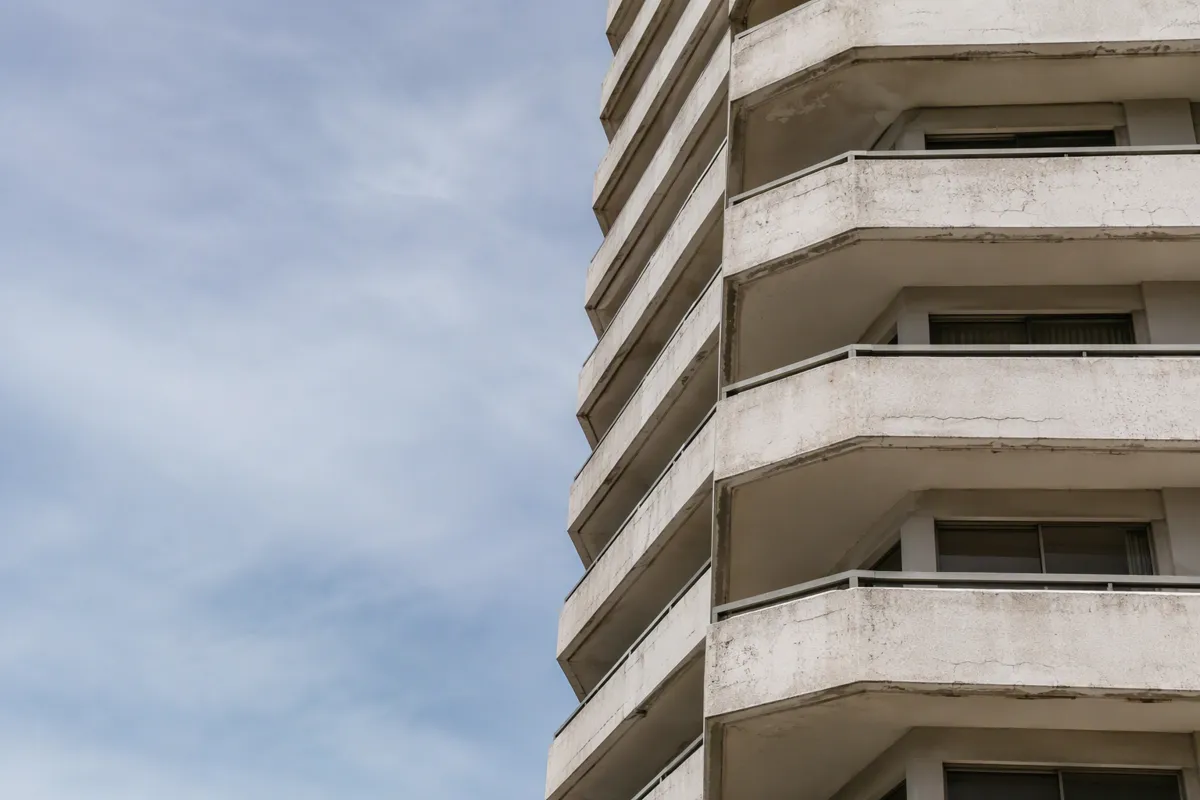
Comprehensive On-Site Visual Inspection
Field inspection of roof decks, exterior concrete facades, parking garages, structural columns, and balcony interfaces for cracking, spalling, and moisture intrusion.
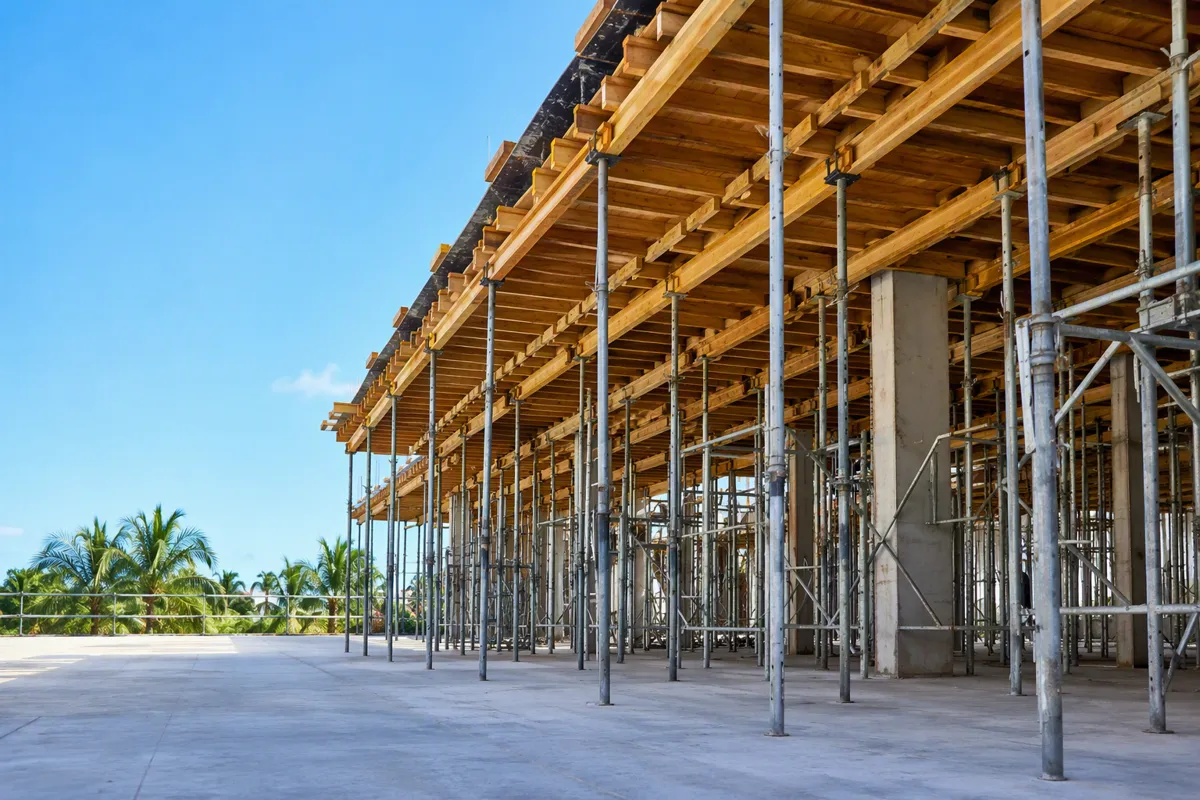
Component Lifecycle and Cost Modeling
Calculating the estimated remaining useful life and current replacement costs based on prevailing South Florida contractor pricing.
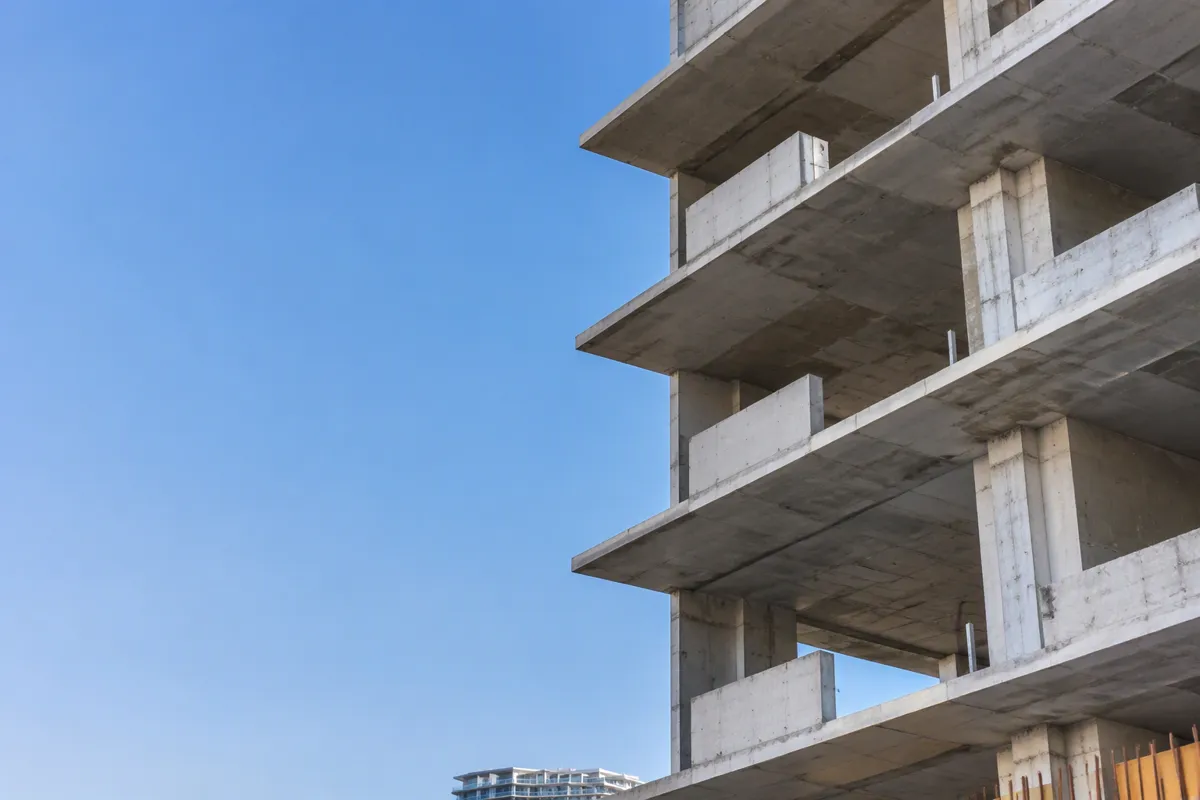
Deliverable Report & Board Presentation
Delivering a Florida PE-sealed SIRS report containing high-resolution photographic documentation, 30-year cash-flow models, and clear actionable maintenance priorities.
Penalties, Legal Risks, and SIRS Evaluation Costs
Failing to fulfill structural integrity reserve study requirements carries immediate consequences for condominium communities. Regulators at the Florida Department of Business and Professional Regulation (DBPR) are empowered to investigate non-compliant associations, levy administrative fines, and initiate enforcement actions.
Beyond regulatory enforcement, condo board members who fail to commission required studies face heightened exposure to personal breach-of-fiduciary-duty lawsuits. Furthermore, major insurance carriers operating in Florida now routinely demand certified SIRS and milestone inspection reports before issuing or renewing commercial property insurance policies.
The cost of a comprehensive study depends on the building’s physical footprint, age, number of stories, and architectural complexity. For mid-rise condominiums between 3 and 8 stories, engineering fees typically range between $4,000 and $9,000. For complex high-rise towers with extensive parking structures and multiple amenity decks, fees typically range from $10,000 to $25,000.
Investing in a thorough, PE-sealed study pays for itself many times over by preventing sudden special assessments, enabling planned competitive contractor bidding, and extending the operational lifespan of the property’s primary structural assets. For associations requiring broader engineering support, our firm also delivers full structural engineering services and threshold oversight across Miami-Dade, Broward, and Palm Beach counties.
Do not wait until statutory deadlines and special assessment deadlines converge. Contact Studio A Engineering to speak directly with Paul Edwards Pineda, PE, a licensed Florida Professional Engineer and Special Structural Threshold Inspector. Ready to safeguard your building? Request a Free SIRS Proposal Online.
Frequently Asked Questions for Florida Condo Boards
A Milestone Inspection (under F.S. § 553.899) is a life-safety structural inspection focusing on identifying dangerous structural deterioration in buildings 30 years or older. A SIRS (under F.S. § 718.112) is both a physical structural assessment and a mandatory financial reserve funding study required for all condos 3 stories or higher, regardless of age.
Yes, but the physical visual inspection must be conducted or supervised by a licensed Professional Engineer or registered Architect. Reports created solely by financial analysts without an engineer’s seal fail to satisfy Florida statutory standards.
The engineer will calculate the required catch-up funding schedule. Boards may need to gradually adjust monthly maintenance assessments or arrange institutional association financing to achieve statutory compliance before legal deadlines take effect.